
Photography
Understanding Post Processing in Photography: Art, Reality & Image Quality
1 May 2018 · LatentImage
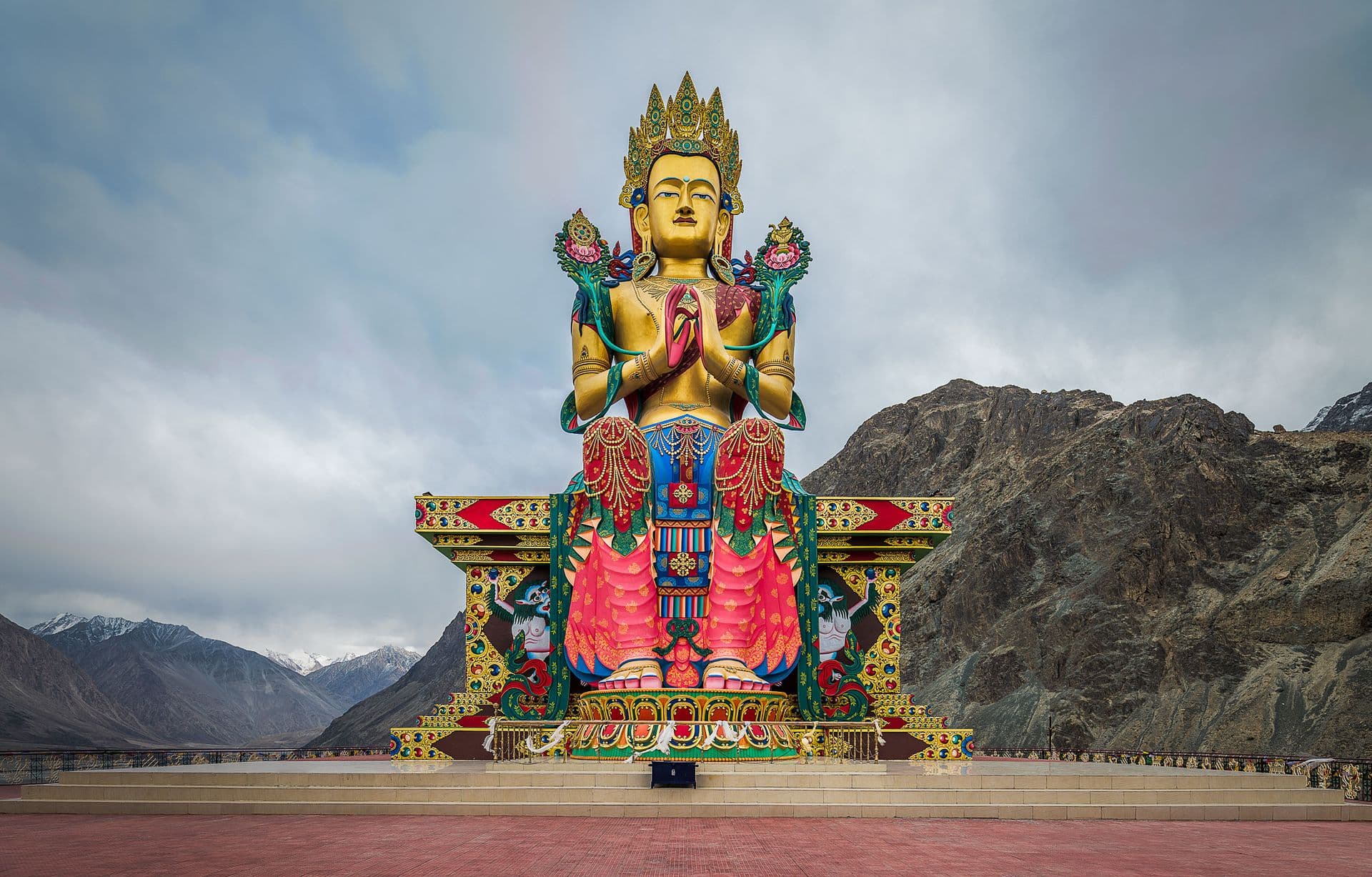
Photography has never been just about capturing reality exactly as it appears. Every photograph is a photographer’s personal interpretation of a moment, shaped by perspective, emotion, light, and imagination.
The moment we click the shutter, a three-dimensional world is transformed into a two-dimensional image. That itself is the first level of interpretation.
For decades, photographers and artists have debated one important question — should photographs be post processed or not?
At LATENTIMAGE, we believe post processing is not about “faking” reality. It is about refining the visual experience and presenting a scene the way it was felt by the photographer.
Post Processing is Not New
Many people associate post processing only with modern digital photography and editing software. But the truth is, image enhancement techniques have existed since the early days of film photography.
Long before digital tools like Photoshop and Lightroom, photographers used various darkroom techniques to improve image quality and create artistic expression.
Some commonly used traditional post processing methods included:
- Using different contrast grade photo papers
- Changing color temperature through filter packs
- Adjusting contrast and exposure during printing
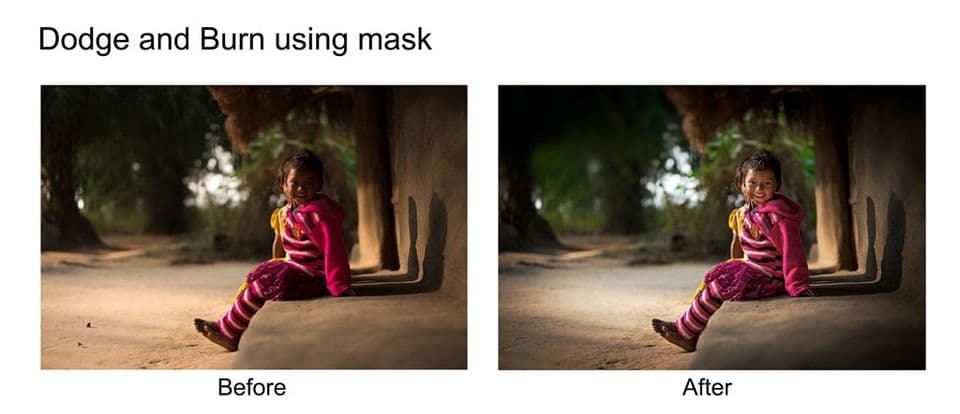
- Dodge and burn techniques
- Masking and unsharp masking
- Contrast masking using unexposed film
- Manual retouching with pencils and dyes
Even in the film era, photographers carefully shaped the final image to make it visually stronger and emotionally impactful.
So, post processing has always been part of photography — only the tools have changed.
Why Post Processing Matters in Digital Photography
With digital cameras becoming more advanced, many people wonder whether post processing is still necessary.
The answer depends on one important factor — image file formats.
Different image formats store different amounts of visual information. Understanding these formats helps explain why post processing plays such an important role in modern photography.
JPEG (JPG): Compact but Limited
JPEG, also known as JPG, stands for Joint Photographic Experts Group. Introduced in the 1980s, it became one of the most widely used image formats because of its small file size.
JPEG is a “lossy” file format. This means the camera compresses the image by removing certain image data to reduce file size.
As compression increases:
- Fine details may be lost
- Edge sharpness can reduce
- Artifacts and blur may appear
- Editing flexibility becomes limited
Most cameras offer different JPEG quality settings such as:
- Low quality (high compression)
- Fine quality (moderate compression)
- Superfine quality (low compression)
The biggest advantage of JPEG is convenience. Smaller files are easier to:
- Upload on websites
- Share on social media
- Send through email
- Store on devices
However, once image data is removed during compression, it cannot be recovered later.
This limits the scope of advanced post processing.
RAW Format: Maximum Creative Freedom
RAW is one of the most preferred file formats among professional photographers.
Unlike JPEG, RAW files are lossless and preserve a large amount of original image information captured by the camera sensor.
This provides photographers with:
- Better dynamic range
- Greater color depth
- Improved highlight and shadow recovery
- More accurate exposure correction
- Enhanced editing flexibility
RAW files are larger in size and require dedicated software for processing, but the image quality they deliver is significantly superior.
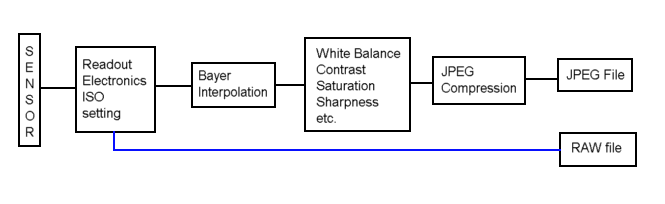
JPEG vs. RAWIn Camera
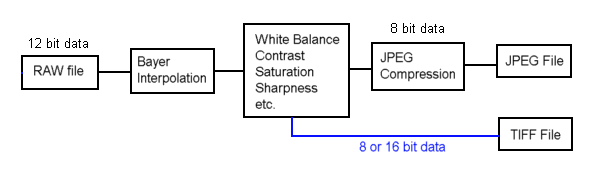
RAW to TIFF to JPEG
For professional photography, especially architecture photography, RAW files allow photographers to carefully refine lighting, textures, tones, and details while maintaining natural realism.
At LATENTIMAGE, RAW processing helps us preserve the true essence of architectural spaces while delivering visually refined imagery.
TIFF: High Quality for Professional Output
TIFF stands for Tagged Image File Format.
This is another lossless format where image quality is preserved without compressing or removing pixel data.
TIFF files are commonly used for:
- High-end printing
- Professional publishing
- Archival storage
- Large-format outputs
Because no important image data is discarded, TIFF files maintain exceptional image quality.
The only drawback is the very large file size, which requires more storage space and processing power.
How Cameras Handle Different File Formats
Modern digital cameras process image data differently depending on the selected file format.
When shooting in JPEG:
- The camera automatically processes the image
- Sharpness, contrast, saturation, and compression are applied internally
- A ready-to-use image is created instantly
When shooting in RAW:
- Minimal processing is applied
- Maximum image data is preserved
- Photographers gain full control during post production
This is why professional photographers often prefer RAW files for commercial, architectural, and fine art photography.
Understanding Bit Depth in Photography & The Role of Post Processing
Photography is not only about capturing a scene — it is about preserving light, color, mood, and emotion in the most detailed way possible. One of the most important technical aspects that affects image quality is something called bit depth.
While it may sound highly technical, bit depth plays a major role in how rich, realistic, and editable a photograph can become during post processing.
At LATENTIMAGE, we believe understanding these technical foundations helps photographers and clients appreciate why professional photography looks more refined, detailed, and visually immersive.
What is Bit Depth in Photography?
Bit depth refers to the amount of color information stored in an image.
Simply put:
The higher the bit depth, the more colors and tonal variations an image can contain.
This becomes extremely important in professional photography, especially in:
- Architecture photography
- Interior photography
- Landscape photography
- Commercial photography
- Fine art imagery
Higher bit depth allows smoother color transitions, better shadow details, and more flexibility during editing.
Understanding Bit Depth with Simple Examples
1 Bit Image
The simplest image format is a 1-bit image.
It can only display two colors:
- Black
- White
This happens because a 1-bit file can store only two possible values:
- 0 = White
- 1 = Black
There are no shades, gradients, or color transitions.
8 Bit Image
An 8-bit image can display:
28=2562^8 = 25628=256
This means it can store 256 possible color values per channel.
Most JPEG images use 8-bit color depth, which is sufficient for everyday photography, websites, and social media.
However, during heavy editing, 8-bit images may start losing detail and show issues like:
- Banding
- Color breakups
- Loss of texture
- Reduced editing flexibility
24 Bit Image
A 24-bit image can display approximately:
224≈16 million colors2^{24} \approx 16\text{ million colors}224≈16 million colors
This creates significantly smoother tonal transitions and more natural-looking photographs.
JPEG vs RAW: Understanding the Difference
One of the biggest differences between JPEG and RAW photography lies in bit depth.
JPEG Files
JPEG images generally record:
8-bit color depth8\text{-bit color depth}8-bit color depth
These files are compressed to reduce file size, making them ideal for:
- Websites
- Email sharing
- Social media uploads
- Quick delivery
The downside is that compression removes important image information permanently.
This limits the scope of advanced post processing.
RAW Files
RAW files can record up to:
14-bit color depth14\text{-bit color depth}14-bit color depth
This means RAW files preserve significantly more:
- Color information
- Dynamic range
- Highlight details
- Shadow details
- Tonal variations
For professional photographers, RAW format offers enormous creative flexibility during editing while maintaining image quality.
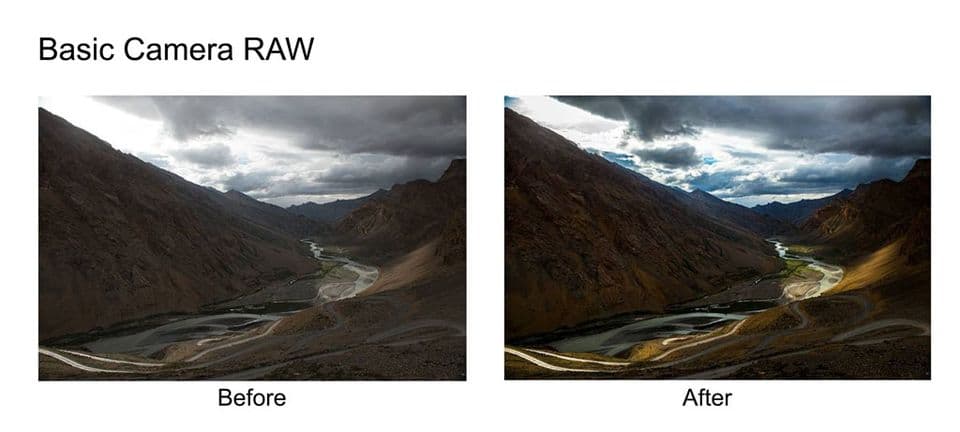
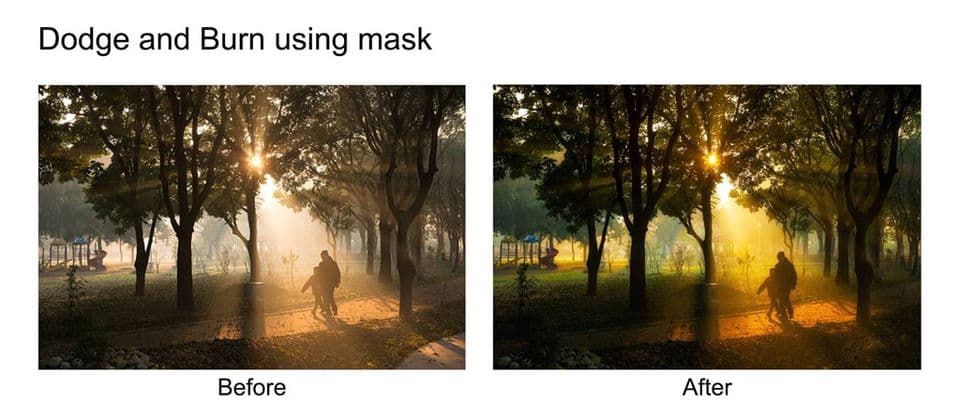
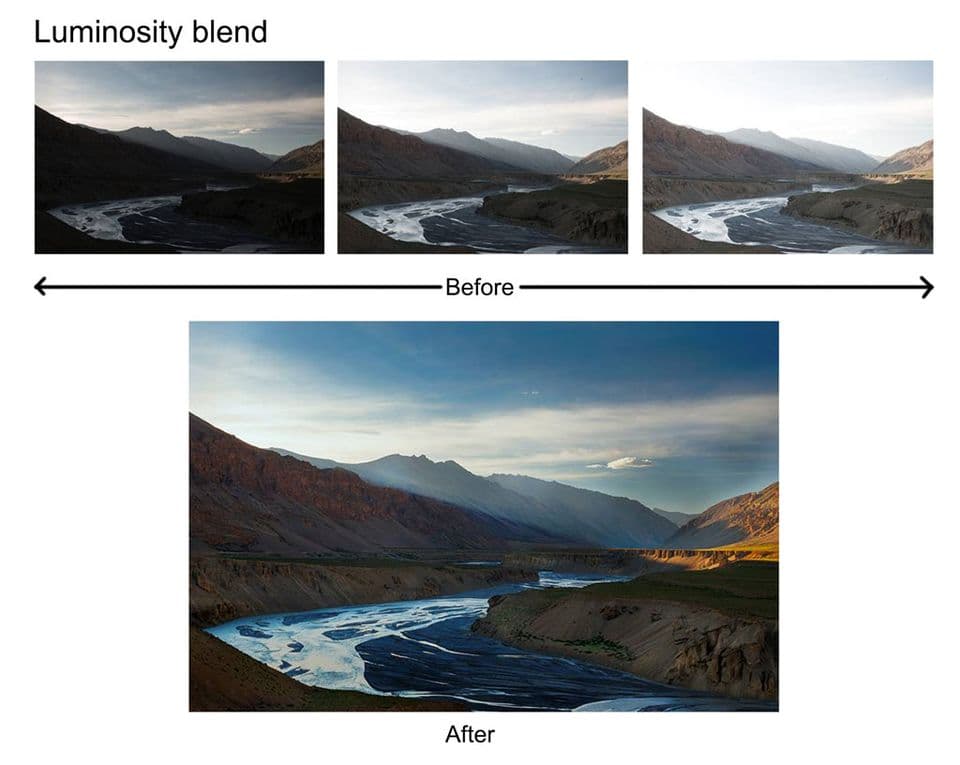
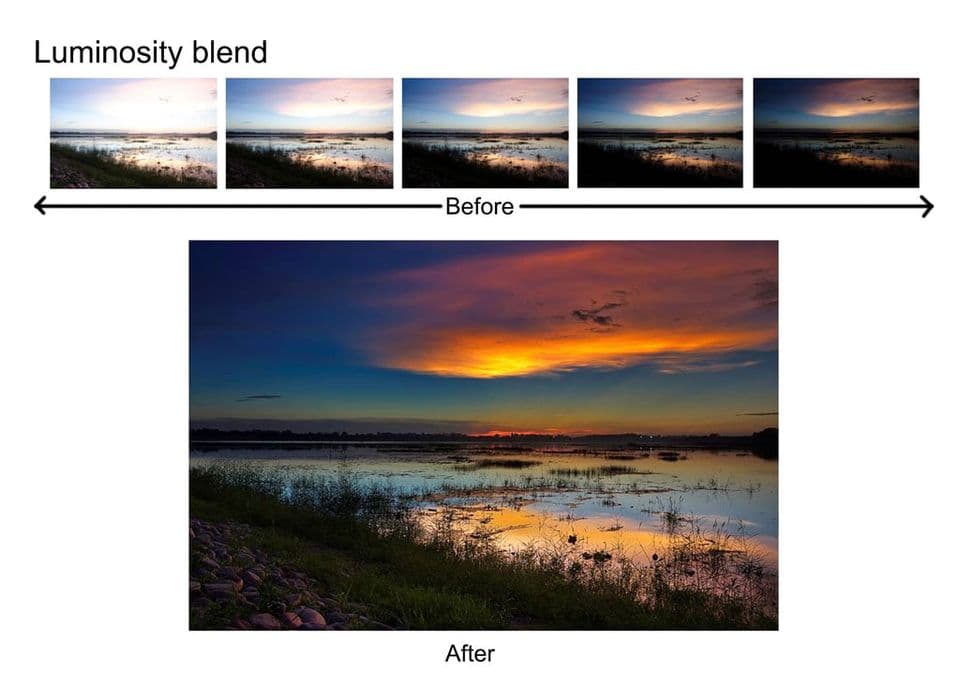
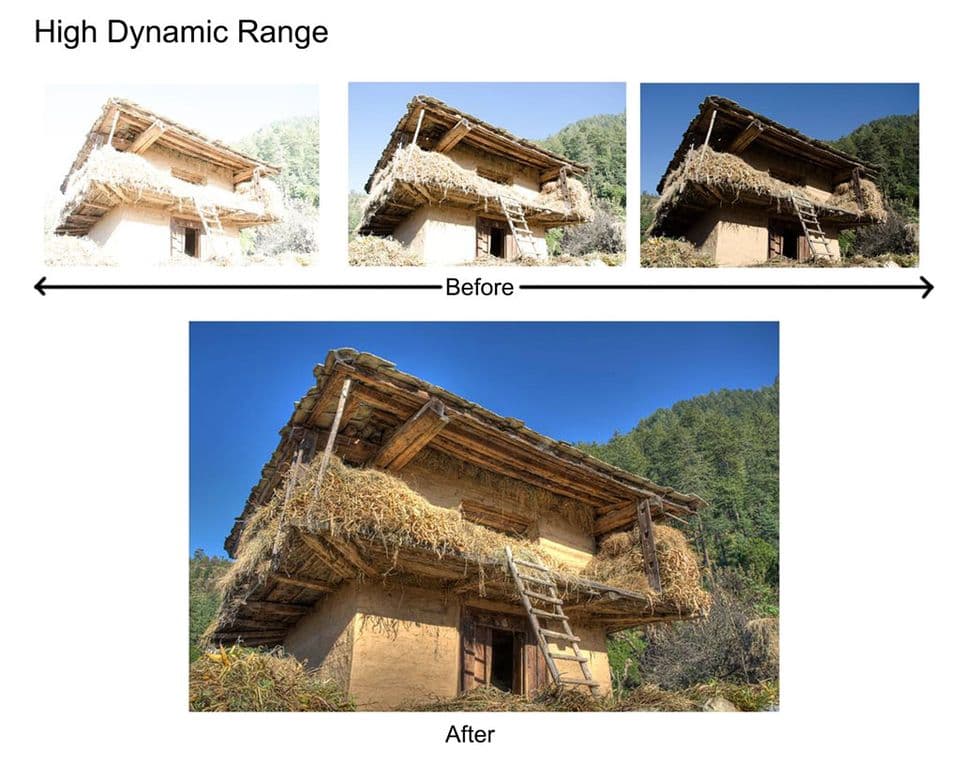
Is Post Processing Good or Bad?
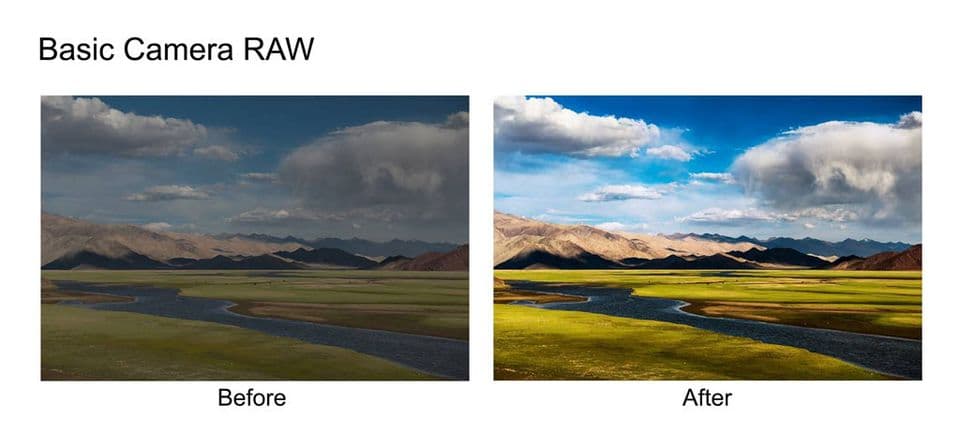
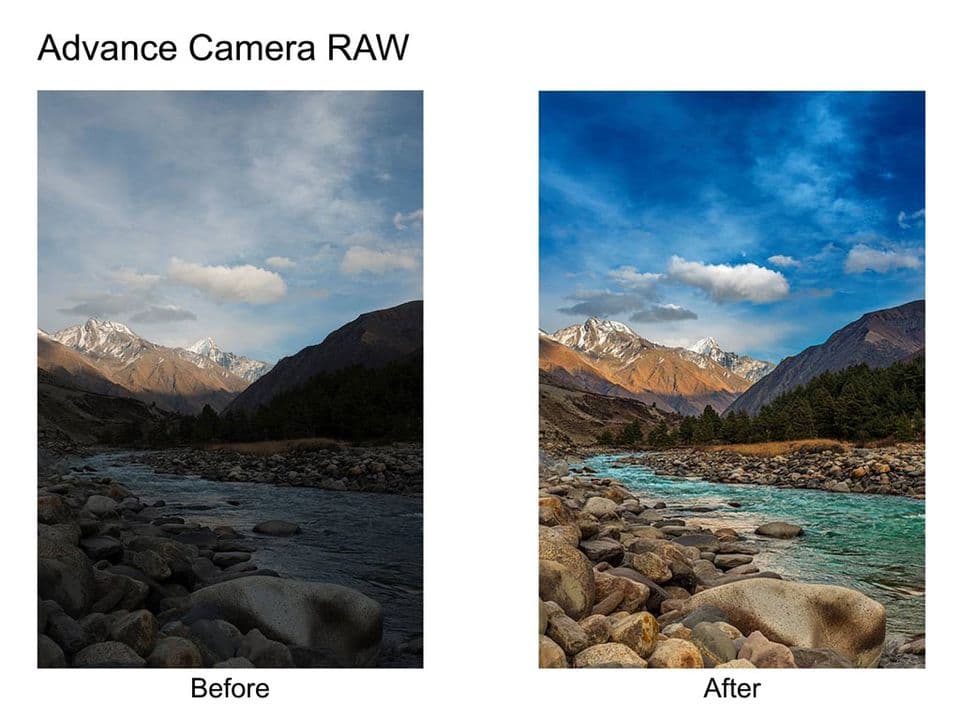
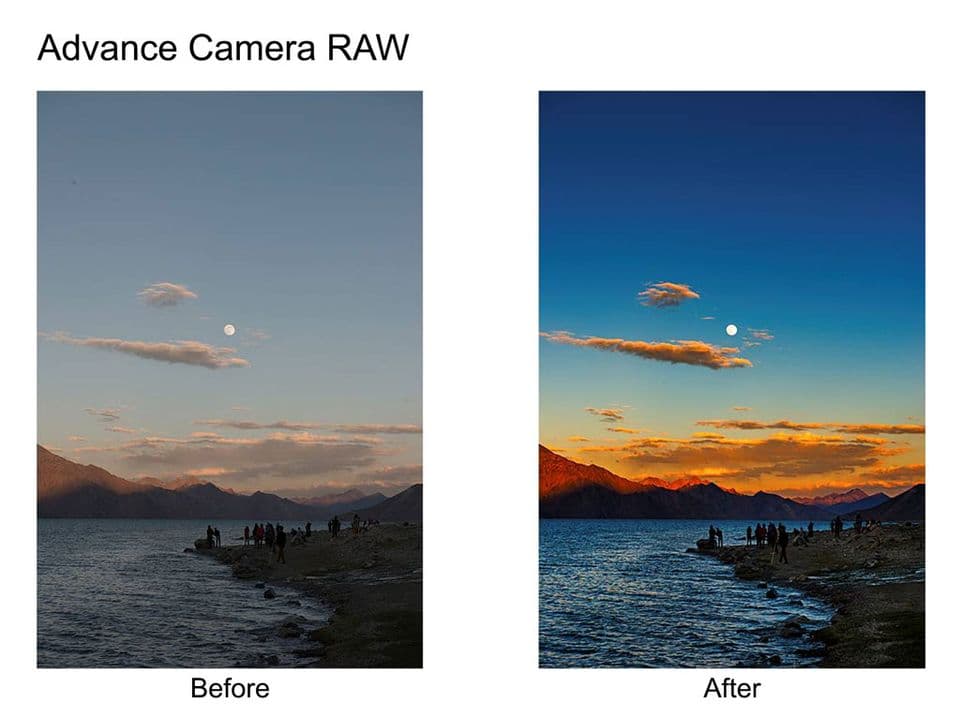
Post processing is simply a creative and technical extension of photography.
Just like painters refine their artwork, photographers refine their images to:
- Balance exposure
- Correct colors
- Improve clarity
- Enhance mood
- Match human visual perception
The key lies in maintaining authenticity.
Good post processing should enhance the image naturally without making it feel artificial or unrealistic.
Final Thoughts
Photography has always been a combination of art and technique. Whether in the darkroom era or the digital age, photographers have continuously used available tools to improve visual storytelling.
Post processing is not about changing reality —
it is about presenting a moment as it was experienced.
At LATENTIMAGE, we believe every image deserves careful attention, thoughtful refinement, and a human touch that respects both artistic vision and authenticity.
Because great photography is not just captured through a camera —
it is crafted through perspective, emotion, and storytelling.